
High Quantity VFD Projects
Buying a large quantity of VFDs creates different challenges than purchasing one or two drives for individual applications. Whether you’re purchasing 20 drives for a single system or standardizing hundreds of drives across multiple facilities, the right product is only one part of the decision. As drive counts increase, decisions involving harmonics, cooling, communications, stocking, standardization, warranty, and technical support can have a much larger impact on the overall project.
High-quantity VFD purchases generally fall into a few categories:
- Multiple drives used within a single application or system, such as fan walls or processing equipment
- Facility-wide standardization and redundancy
- Distribution and stocking programs
- Integration and OEM production
Each situation has different priorities. Below, we’ll look at the major considerations for each type of project and the VFD, power quality, and support options that can make large installations easier to manage.
Planning Multiple VFDs in a Single System
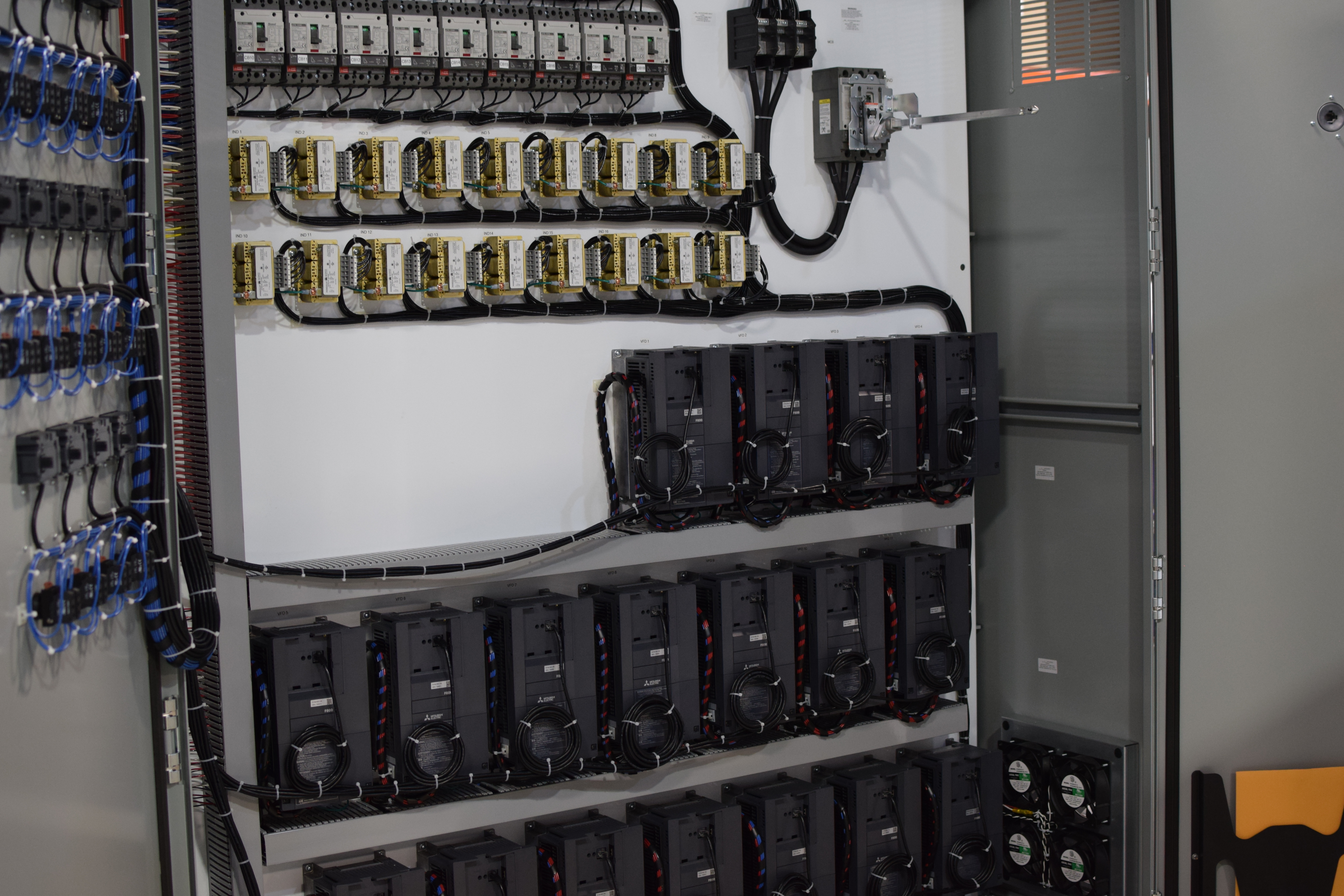
Government and other mandates mean efficiency is a key focus, especially in areas like HVAC systems. For many systems, a fan wall makes sense, improving design, redundancy, and part availability. For this reason, many systems are moving to smaller motors in bigger quantities, meaning the same shift for the VFDs that control the motors. For simplicity in installation, we often see these drives installed in a single cabinet.
This shift means problems may arise that weren’t expected. For example, more devices may be gated behind fewer breakers. One of the ones that is often missed is that you may produce more harmonics and power quality problems because of how specifications have historically been written.
Many plants require harmonic mitigation for larger drives but allow reduced or no filtering for smaller drives. For example, a single 200 HP VFD may require a passive harmonic filter or similar device to satisfy a 12% current-distortion limit. If that VFD is replaced with 20 smaller drives, each drive may qualify for only a reactor or no mitigation at all. In that instance every individual drive complies, but collectively they introduce substantially greater harmonic current distortion into the electrical system.
One way to solve this problem that’s rising in popularity is to put a line reactor on each small VFD and then add an active harmonic filter like the Galt Electric AHF. The reactors are a cost-effective way to reduce two-thirds of the harmonics while the active harmonic filter cleans up the aggregate harmonic distortion remaining for the entire cabinet. Custom cabinets made by brands like Motor Drives International (MDI) can easily integrate projects like this into one easy-to-install package.
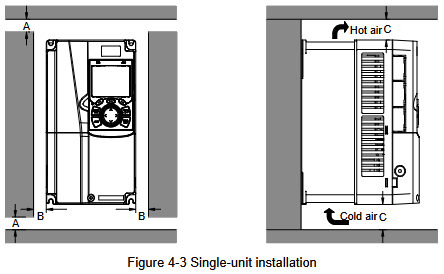
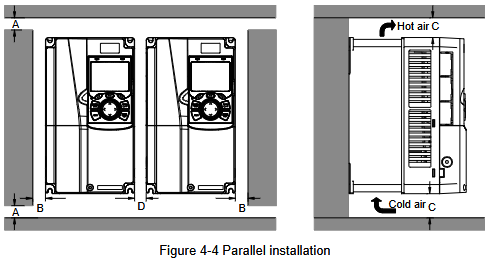
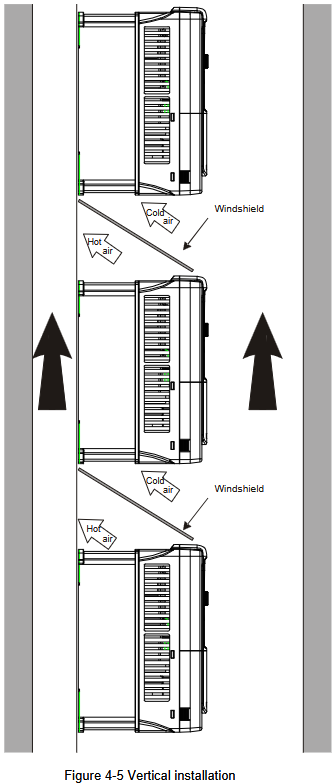
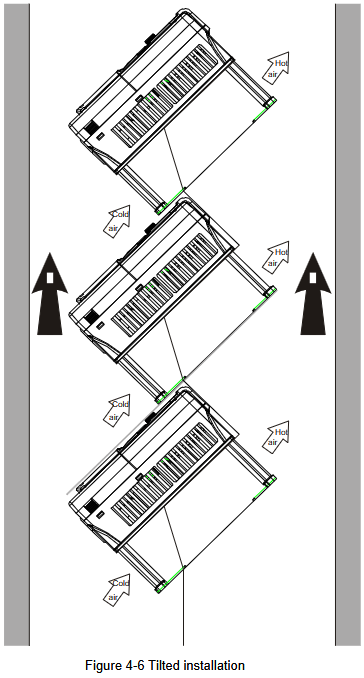
Another consideration is cooling. Low voltage VFDs typically use a built-in fan to pass air over a heat sink, and the air flow around the VFD is important. Each drive typically includes multi-drive configuration options in their manual. For example, the Galt G500 has directions for single-unit and multiple-unit parallel, vertical, and tilted configurations.
Standardizing VFDs Across a Facility
Standardization across a facility can both simplify and reduce cost. Many facilities understand that bulk purchasing can reduce initial capital expenses, as well as reduce the number of spare parts and storage space needed to maintain a ready level of redundancy.
Standardization leads to a long list of other benefits. Fewer parameter structures for maintenance to learn. Fewer communication cards and accessories to manage. Fewer models and SKUs to track. Overall familiarity within the team on the products being used.
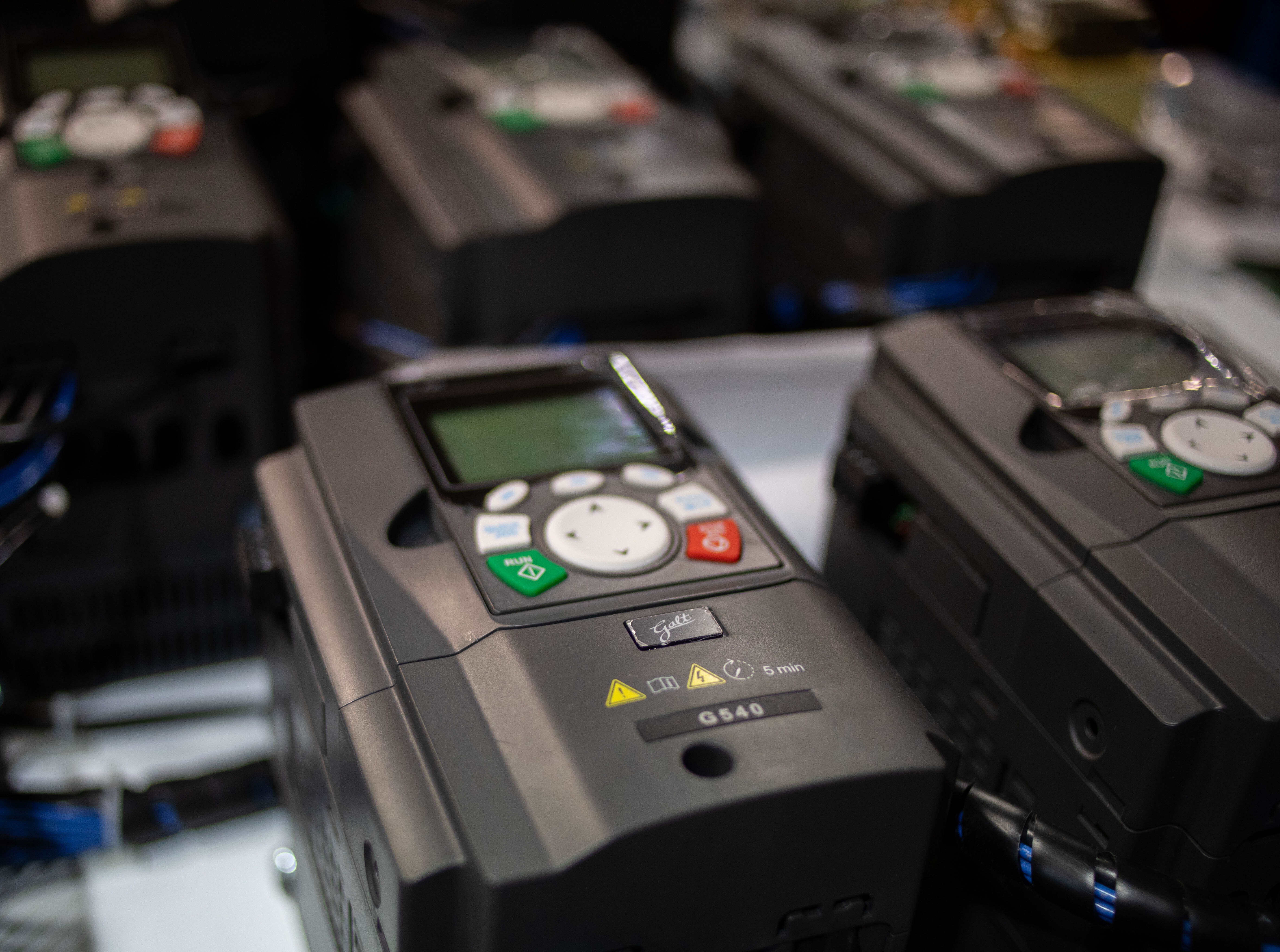
When standardizing on a drive, series, or brand, the same considerations as standard purchases should be made, such as drive sizing. Additional concerns also need to be addressed. Is there enough stock to be able to meet demand for initial purchases, restocks, or expansions? Is there service available for startup, troubleshooting, or support? What warranty is offered and how easy is it to go through the process? With a high quantity of a specific brand, small issues here can lead to repeated delays.
Controls are also crucial for standardization. Most drives can speak most languages with a communication protocol card, but it should be verified ahead of time. Work with your SCADA and PLC experts to assure that connection and control will be easy and complete.
It’s also important to consider the ratings of products. Dual-rated and more well-built products might be worth standardizing on. For example, a 480V Galt G500 is dual-rated, meaning a drive can be used for light- or heavy-duty applications with a simple programming change, covering more applications in your facility. Mangoldt ACL reactors are another example, with a robust design that maintains the same rating for line or load applications, simplifying purchasing and stocking.
Bulk VFD Purchasing for Distribution and Stocking
Another reason to purchase large quantities of a drive is for stocking and distribution. Often a manufacturer or master distributor will work with a distributor to reduce price when large orders are placed because of the ability to scale. Predictable or consistent reorders may also lead to price reductions.
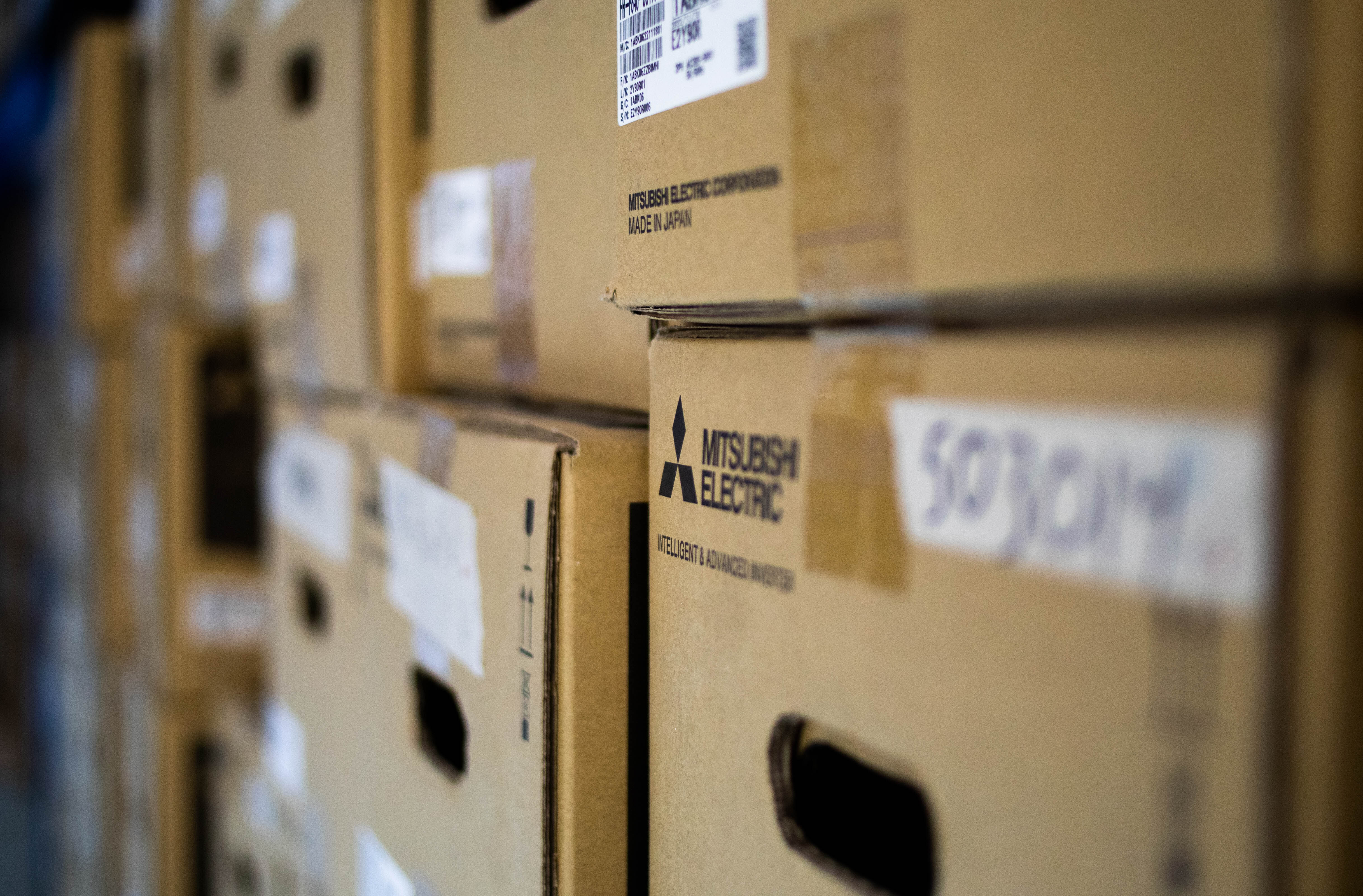
When purchasing for these situations, storage practices are often crucial. How long can the product be stored without being maintained? This is important with VFDs because of the capacitors within the topology that need to be handled correctly after storage or it can lead to failure.
With capacitors, Frako is a great example of a more advanced design meaning less hassle in the long run. Electrolytic capacitors are infamous for needing to be reformed before use, meaning the stock needs to be rotated and sold or used frequently or else it adds to maintenance costs or reliability concerns. Frako offers dry-film capacitors which have a longer useful life as well as a longer shelf life with no need for reforming, reducing these concerns and making these a better stocking option than standard capacitors.
Warranty again comes up with stocking and distribution. Some manufacturer warranties start the day a product leaves the factory, where others begin on installation. Also common is a mix of these practices, something like 1 year from date of installation or 18 months from date of sale, whichever comes first. Finding a partner that offers an extended warranty or flexibility around the warranty commencement date can be crucial.
VFD Sourcing for OEMs and System Integrators
Integrators and OEM situations are a combination of all the situations above. They often include multiple drives in one application, are focused on standardization, and typically consider stocking arrangements for predictability. Because of this, all the topics mentioned above are crucial. In a situation like this, what often also becomes vital is the support you get behind the product.
Whether it’s technical knowledge, service support, engineering guidance, or just tailored customer service, integrators and OEMs need help with pricing, stocking, and making the entire process as simple as possible. It’s also crucial because of the reputations of the integrator and OEM. More than any other situation, a failure of a component reflects on the integrator even if it was manufactured elsewhere. The same is true with product shortages – customers blame the OEM, not the supplier of the component. Integrators and OEMs stake their reputations on the components within their system.
In manufacturing and integration the supply chain and technical process need to run like a well-oiled machine. Long-term product availability, repeatable pricing, consistent lead times, and technical consistency are crucial to make sure the entire process doesn’t grind to a halt.
Planning a High-Quantity VFD Project?
As the size of the project goes up, so does the cost of getting something wrong. The experts at VFDs.com can help evaluate drive selection, power quality requirements, standardization, stocking, communications, and supporting equipment before those decisions are multiplied across dozens or hundreds of drives.
We maintain one of the largest in-house stocks of variable frequency drives, electric motors, and power quality equipment in the United States, giving our team the ability to support both immediate high-quantity projects and longer-term purchasing programs. Contact us to talk through your application, quantities, and project requirements.